Details of the ₹126 Crore Project
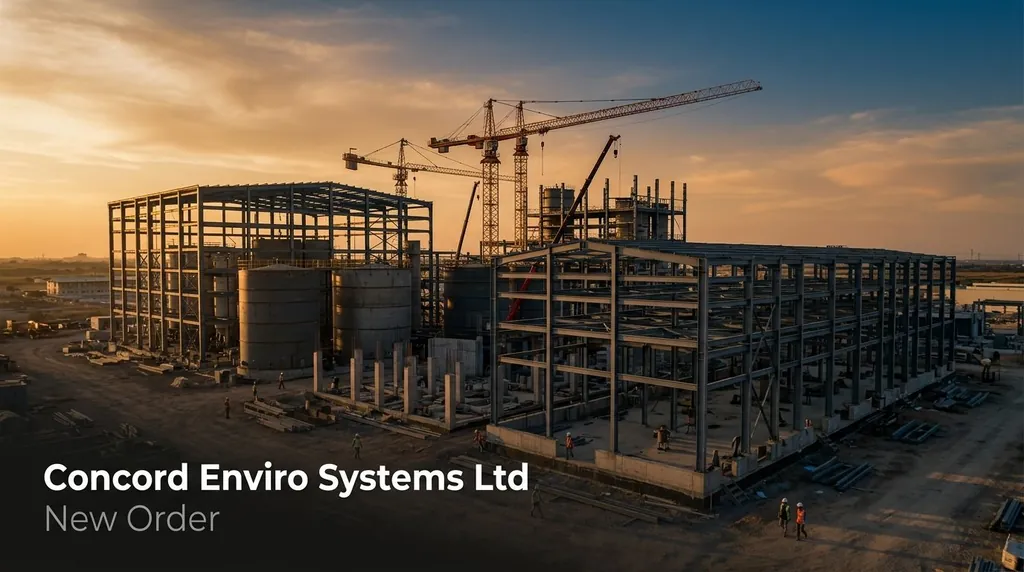
Rochem Separation Systems (India) Private Limited, a material wholly owned subsidiary of Concord Enviro Systems, has bagged a contract for the design, engineering, supply, and commissioning of Zero Liquid Discharge (ZLD) systems. The order, valued at ₹126 crore, involves the upgradation of a Common Effluent Treatment Plant (CETP) and the installation of advanced ZLD infrastructure. This project is designated for one of the oldest and most established integrated steel manufacturers in India.
The contract is set to be executed within an 18-month timeframe, providing significant revenue visibility for the company through the 2027 fiscal period.
Strategic and Financial Implications
- The ₹126 crore order represents approximately 22.5% of the company's TTM operating revenue of ₹557.86 crore.
- The project is expected to strengthen the consolidated order book and contribute to steady cash flows over 18 months.
- It establishes a long-term value creation role with a major multinational conglomerate in the industrial sector.
- The transaction is strictly on an arm's length basis with no promoter or group company interest involved.
- Advanced membrane technology will be utilized to recycle nearly 99% of industrial wastewater, reducing thermal concentration needs.
Commentary on Technological Scope
The most interesting aspect of the design of this ZLD system is the energy foot print with nearly 99% of the wastewater being recycled using membrane systems and only about 1% going to thermal concentration systems.
Company and Sector Context
Concord Enviro Systems operates within the waste management and utilities sector, providing specialized water and wastewater treatment solutions. The company's portfolio includes desalination, effluent treatment, and membrane-based separation technologies. Despite a challenging annual cycle where net profit declined by 61.63%, the company maintains a promoter holding of 51.43%.
This new order reinforces its positioning in the high-growth industrial wastewater segment, which is seeing increased regulatory traction due to environmental compliance norms for heavy industries like steel manufacturing.