What Is the Expansion?
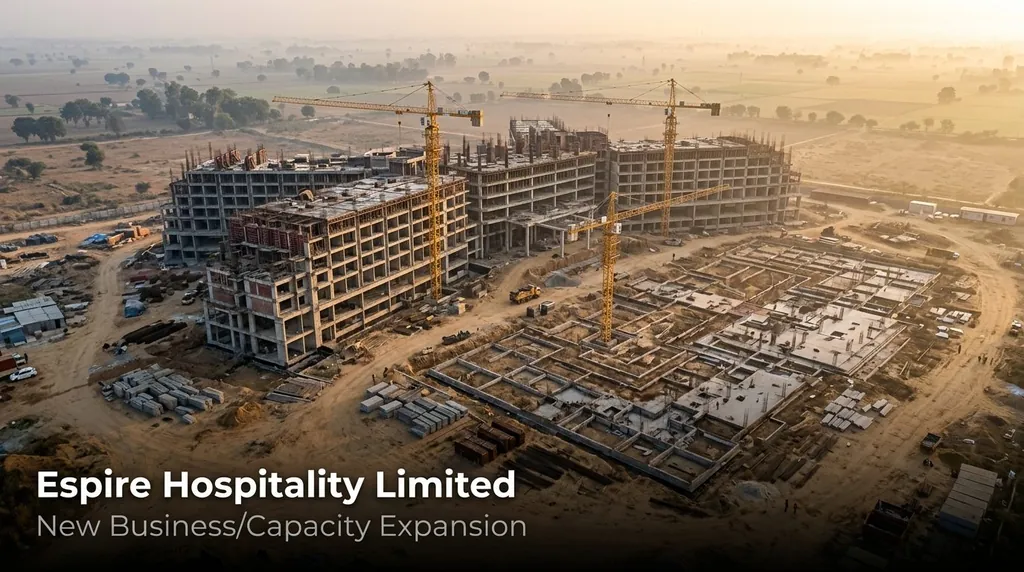
Espire Hospitality is significantly increasing its footprint in the luxury segment through a management agreement with Marriott International for the JW Marriott Resort & Spa near Vrindavan. The 151-key property, set on 14 acres, is scheduled for a January 2029 launch and will feature high-end villas with cascading waterfalls and a dedicated wellness sanctuary. Beyond this flagship project, the company has secured agreements for five additional properties in Goa, Katra, Patna, Dehradun, and Rishikesh.
This strategic move increases the company's total portfolio to 20 hotels, up from the previously announced 15, with the Dehradun and Rishikesh units already operational.
Strategic Rationale
The choice of location near Vrindavan positions Espire to capture high-end religious and leisure tourism, being just an hour's drive from the National Capital Region. This project follows the success of the company's Six Senses Fort Barwara and reinforces its focus on the uber-luxury hospitality market. By diversifying across key pilgrimage sites like Katra and Vrindavan alongside leisure hubs like Goa, Espire is building a resilient portfolio that caters to varied traveler segments including MICE and destination weddings.
The expansion aligns with the group's target to open 15 new properties by the end of FY27.
Business Overview
Espire Hospitality Limited, part of the multi-business Espire Group, operates a tiered brand strategy ranging from mid-market to ultra-luxury. Its portfolio includes the Six Senses Fort Barwara, the boutique ZANA - Luxury Resorts brand, and the Country Inn Hotels and Resorts chain. The company maintains a presence across hospitality, IT solutions, and education sectors.
Currently, the company's financial performance shows a recovery with a 230.45 percent annual revenue growth and a trailing twelve-month operating revenue of 132.21 crore INR. The promoter group maintains a majority stake of 69.25 percent, indicating stable internal control during this aggressive expansion phase.
Industry Outlook
- Strong demand for luxury experiential travel is driving premium room rates across Indian leisure destinations
- Spiritual tourism growth in circuits like Vrindavan and Katra is attracting major international hotel brands to regional hubs
- Increasing corporate spending on MICE and off-site events is boosting occupancy levels in regional resort destinations
- Government initiatives to improve infrastructure and connectivity are shortening travel times to satellite tourism towns in North India
- The Indian hotel industry is seeing a shift toward asset-light management models to achieve rapid brand scaling and footprint expansion