The Product — What It Is
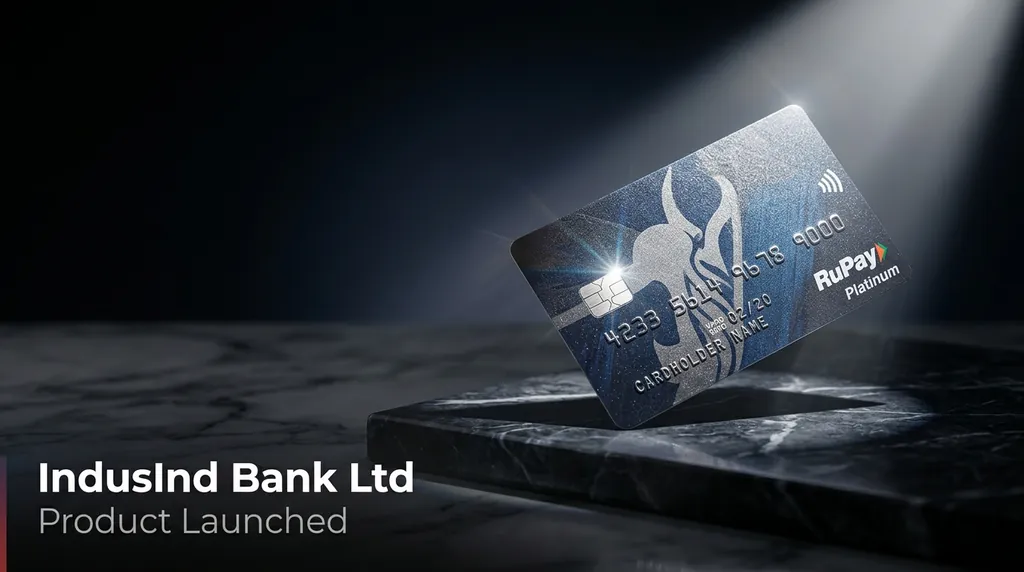
The EazyDiner IndusInd Bank Platinum RuPay Credit Card is designed as a zero-cost entry into the premium dining ecosystem. Operating on the RuPay network, it allows cardholders to utilize credit-on-UPI functionality, enabling merchant payments at any QR code while accruing reward points. The card's primary value proposition is its extensive dining benefits, which include an additional ₹500 discount three times per month when paying via the EazyDiner app.
This is supplemented by a three-month EazyDiner Prime membership, offering guaranteed discounts ranging from 25% to 50% across over 40,000 premium restaurants in India and Dubai.
Strategic Fit and Market Focus
This launch aligns with IndusInd Bank's 'Digital 2.0' strategy, focusing on customer-centric digital solutions that integrate into daily lifestyle activities. By leveraging the RuPay network, the bank taps into the high-velocity UPI payment segment, which has become a primary transaction method in India. The partnership with EazyDiner allows the bank to capture a larger share of the urban discretionary spend, specifically in the dining and entertainment sectors.
This initiative strengthens the bank's retail credit portfolio by offering a lifetime-free product that incentivizes recurring usage through tangible savings and membership-driven loyalty.
Business Overview
- IndusInd Bank serves approximately 42 million customers through a network of 3,137 branches and banking outlets as of June 2026
- The bank maintains a robust physical presence with 2,853 ATMs and reaching 1.60 lakh villages across India
- Product offerings span microfinance, vehicle financing, personal loans, and advanced digital platforms like INDIE
- International operations include representative offices in key hubs like Dubai and Abu Dhabi to cater to the Indian diaspora
- The bank holds clearing bank status for major Indian stock exchanges including BSE and NSE
Industry Context
The Indian banking sector is witnessing a rapid convergence of credit products and real-time payment interfaces. The introduction of credit cards on the UPI network has expanded the addressable merchant base for credit products, previously limited to Point-of-Sale terminals. Concurrently, the dining-out market is experiencing significant growth, driven by rising urban incomes and a shift toward experiential spending.
Financial institutions are increasingly adopting partnership-led models with lifestyle platforms to drive card acquisition and engagement. This trend reflects a broader move toward hyper-personalized financial products that offer immediate utility beyond traditional credit facilities.