Project Scope and Strategic Impact
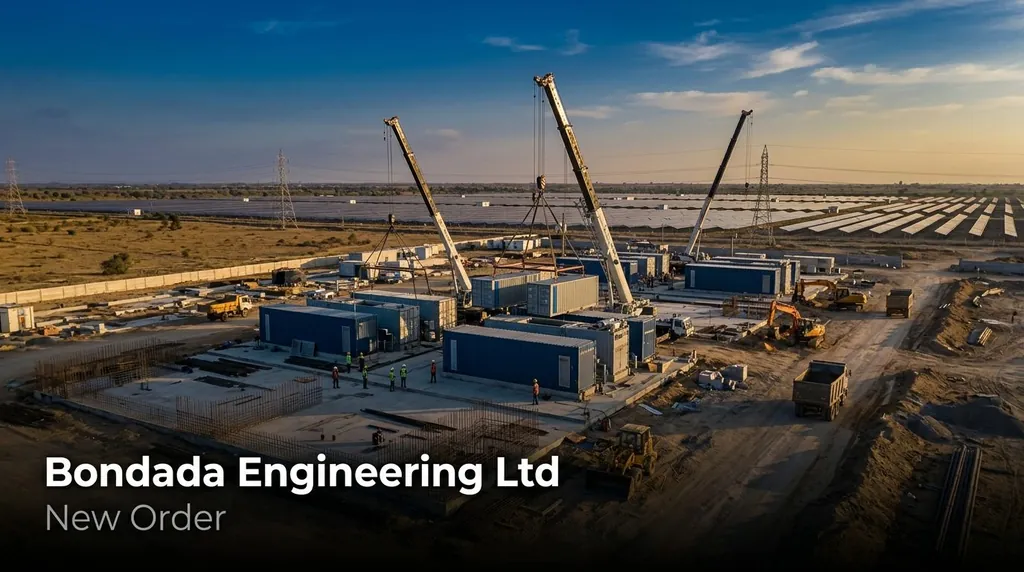
The EPC package encompasses the development of a 100 MWh Vanadium Redox Flow Battery Energy Storage System (BESS) at the Khavda Solar Park in Gujarat. Unlike conventional lithium-ion systems that rely on imported cells, VRFB technology utilizes domestic vanadium resources, enhancing India's indigenous energy security. The system is designed for high intrinsic safety and stable performance under frequent cycling with near-zero degradation.
The contract includes a 10-year operation and maintenance period, ensuring sustained technical oversight and steady revenue streams for Bondada Engineering as it diversifies its portfolio into advanced long-duration energy storage solutions.
Client Profile and Technological Advantages
NTPC Renewable Energy Limited, a subsidiary of India's largest power conglomerate NTPC Limited, awarded the contract to Bondada Engineering and its partner Delectrik Systems. This choice underscores the shift toward Long Duration Energy Storage (LDES) to manage grid stability in renewable-heavy zones. VRFB technology offers several advantages over Lithium Iron Phosphate (LFP) systems, including a significantly longer service life of over 25 years compared to the typical 12-15 years for LFP.
By adopting this next-generation solution, Bondada positions itself at the forefront of the Indian utility-scale storage market, reducing long-term import dependence.
Financial Performance and Growth Trajectory
Bondada Engineering has demonstrated impressive financial health, with its annual operating revenue growing by 86.31% to reach ₹2,634.94 crore. The company maintains a robust return on equity (ROE) of 30.25% and a net profit of ₹184.21 crore for the annual period. While the stock's recent performance is categorized as a Falling Comet by Trendlyne with a momentum score of 33.74, the influx of high-value infrastructure orders like the NTPC BESS project provides significant revenue visibility.
The ₹500 crore contract represents a substantial addition to the company's order book, reinforcing its standing in the construction and engineering sector.
Industry Landscape and Market Opportunity
- The Government of India aims to deploy 236 GWh of battery energy storage capacity by 2030 to support renewable grid integration.
- Current national installed storage capacity is approximately 3.3 GWh, indicating a massive growth runway for early movers like Bondada.
- Flow batteries are increasingly preferred for grid-scale applications due to their thermal stability and non-flammable electrolyte chemistry.
- Increased focus on domestic vanadium resources aligns with national self-reliance goals in the critical minerals and green energy sectors.
- Bondada’s entry into LDES technologies complements its existing renewable energy EPC portfolio in a rapidly consolidating sector.