The Product — What It Is
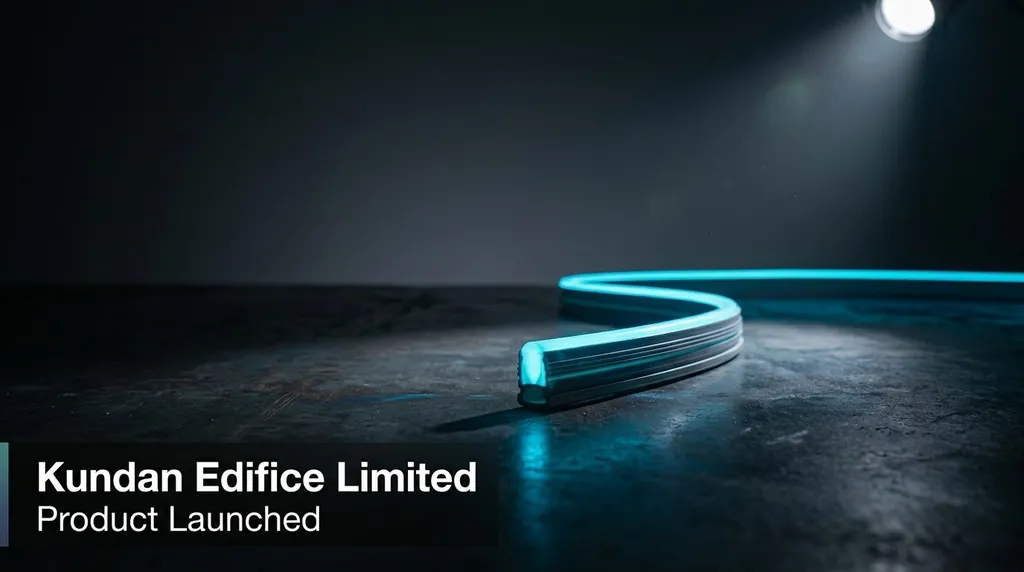
The newly developed PVC Neon Extrusion profiles represent a technical advancement in the company portfolio of lighting components. Engineered specifically for rope light applications, these products emphasize flexibility and durability, allowing for intricate installations in both indoor and outdoor environments. The extrusion process ensures consistent light distribution and weather resistance, which are critical requirements for modern architectural installations.
By focusing on these specific profiles, the company aims to provide high-quality structural components that simplify the manufacturing of finished neon rope lights for downstream lighting assemblers and contractors.
Commercial Opportunity
- Targets the expanding decorative and architectural lighting markets across residential and commercial sectors
- Addresses the growing demand for energy-efficient flexible LED-based neon lighting solutions
- Focuses on pilot production to determine manufacturing scalability and cost-efficiency
- Competitive differentiation through specialized extrusion profiles that enhance product longevity
- Potential for integration into hospitality retail and urban infrastructure development segments
Strategic Fit
This development aligns with the broader strategy of diversifying the product mix within the electrical equipment space. By moving into specialized PVC extrusions, the company is capturing more value in the lighting supply chain beyond standard electrical products. This initiative leverages existing manufacturing expertise to enter niche segments like architectural lighting.
The move to pilot production indicates a disciplined approach to research and development, ensuring that products meet rigorous quality standards before full-scale commercialization, thereby mitigating entry risks in the decorative lighting category.
Industry Context
The Indian decorative lighting market is witnessing growth driven by urbanization and the increasing adoption of smart lighting solutions. Architectural lighting, once limited to high-end commercial projects, is now being widely integrated into residential designs and public infrastructure. Trends indicate a shift toward customizable and durable lighting components that can withstand varied environmental conditions.
As a player in the electrical equipment industry with a TTM PE of 11.11 compared to a sector PE of 50.15, the company entry into these value-added segments reflects an attempt to capitalize on the widening gap between traditional electrical goods and specialized aesthetic lighting solutions.