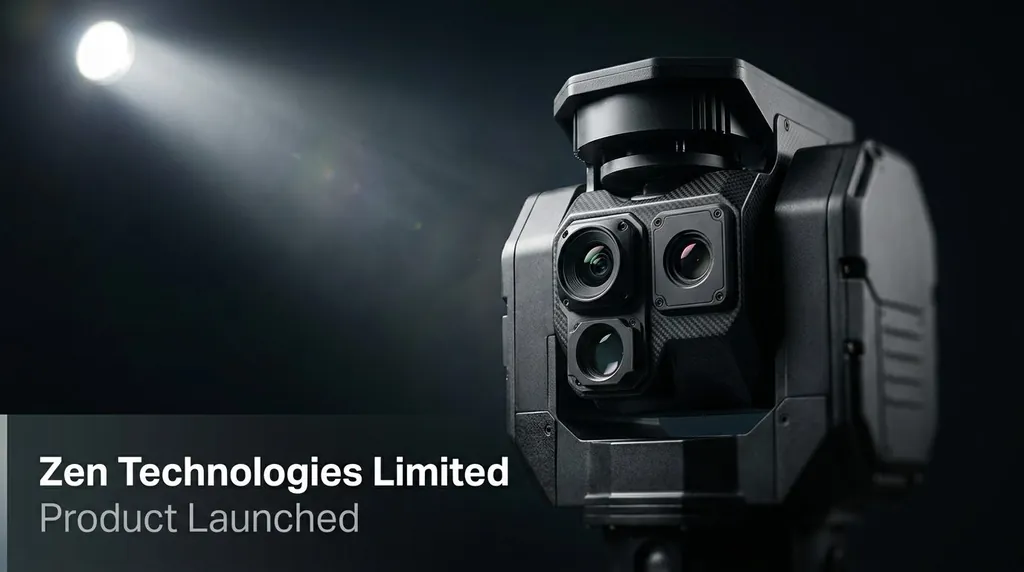
The Product — What It Is
The Integrated Smart Border Suite (ISBS) is a modular defense ecosystem designed to function as a 24x7 intelligent digital shield. It combines six distinct technological layers: AI-powered anti-drone systems in various configurations, smart loitering munitions for precision strikes, and high-speed interceptor drones for aerial neutralization. The suite also integrates autonomous Unmanned Ground Vehicles (UGVs) for high-risk reconnaissance and logistics, Remote Controlled Weapon Stations (RCWS) with thermal imaging, and long-range electro-optical surveillance systems.
This unified grid is engineered to detect and track hostile activity across difficult terrain and high-risk sectors in real time.
Commercial Opportunity
- Targets the Union Home Ministry's nationwide project to secure 6,000 km of international borders
- Addresses high-priority security threats including narco-terrorism and drone-based smuggling
- Positioned as an indigenous alternative to imported border surveillance technologies
- Leverages a modular architecture suitable for border outposts and critical infrastructure zones
- Focuses on a high-growth counter-hybrid warfare market requiring integrated AI solutions
Strategic Leadership
India’s border security architecture is undergoing a fundamental transformation, from static, manpower intensive deployments to intelligent, autonomous and technology-driven protection systems capable of responding to dynamic and asymmetric threats in real time.
Business Overview
Zen Technologies Limited is a pioneer in the Indian defense sector, specializing in training simulators and anti-drone solutions. With more than 30 years of operational experience, the company has shipped over 10,000 systems globally and maintains a portfolio of over 200 patent applications. Its Hyderabad-based facility provides end-to-end production for the Ministry of Defense and Ministry of Home Affairs.
The company's recent expansion into active defense technology, such as the ISBS, complements its established leadership in combat training solutions and strengthens its role in India's pursuit of strategic self-reliance.
Industry Context
The Indian Aerospace & Defense sector is experiencing a shift toward indigenous production driven by the modernization of border infrastructure. The current threat landscape is increasingly defined by hybrid warfare and asymmetric attacks, particularly involving low-cost drones. This has necessitated a move away from static, human-monitored borders toward technology-led surveillance grids.
Companies with strong R&D backgrounds and local IP are primary beneficiaries as the government prioritizes systems capable of autonomous threat detection and precision response. The sector is currently seeing increased demand for integrated AI ecosystems that can unify diverse sensor data into a single operational interface.